This may fit you if
- You enjoy logic, mathematics and building systems step by step.
- You can stay patient when the first solution does not work.
- You want to understand both software behaviour and the hardware beneath it.
 IOE Purwanchal CampusTathali · Bhaktapur
Tribhuvan University · Institute of Engineering
Move from programming and digital logic to operating systems, networks, AI and a year-long engineering project—without treating hardware and software as separate worlds.
Admission guidance open · formal admission follows the IOE result
01 · Decide
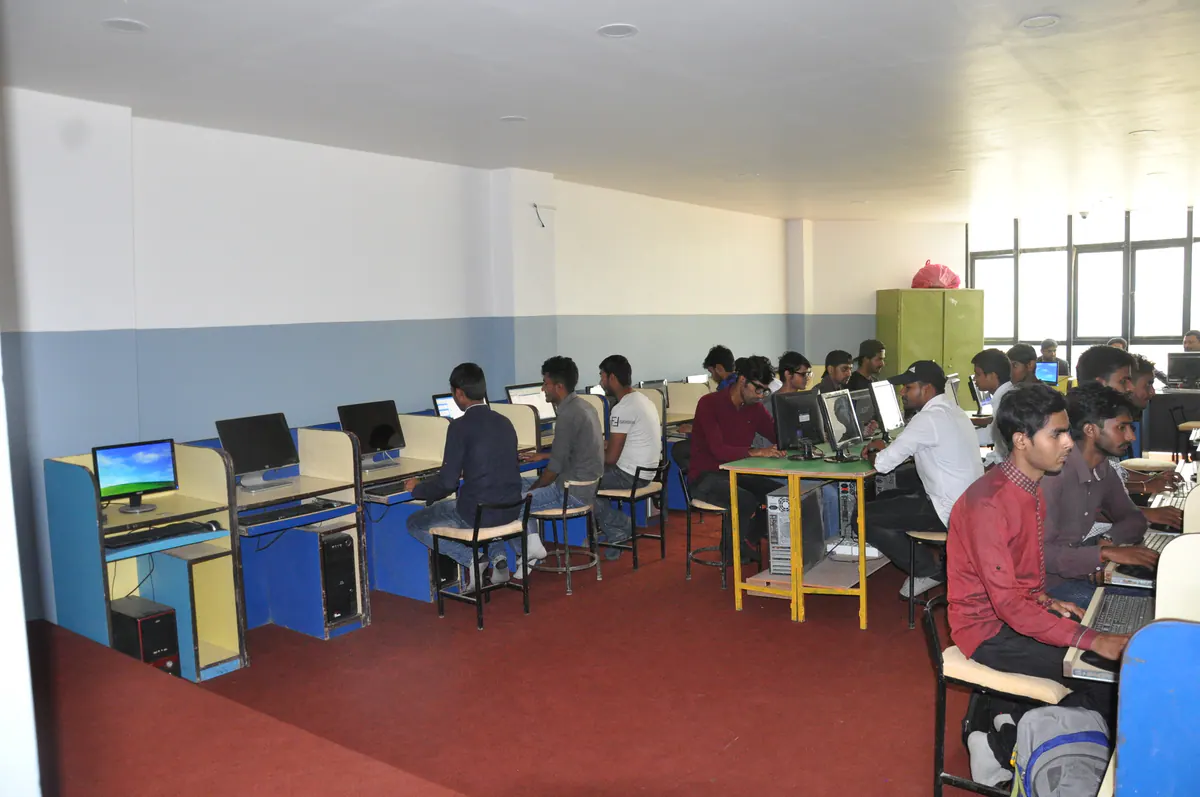
An engineering degree for students who want to understand computing from digital hardware and architecture through software, networks, data and intelligent systems.
This may fit you if
Be ready for
Computer engineering is broader than learning to code. Expect circuits, electronics, mathematics, architecture, signals, networks, technical documentation and substantial team projects.
Minimum entry path
Fees and scholarship
Ask for the current total, payment schedule, university charges and written scholarship conditions. ICE advertises 50–100% merit scholarships; availability varies by intake and result.
Request the current fee breakdown02 · Experience
Each stage below connects a real learning setting to the judgement it is meant to develop.
01
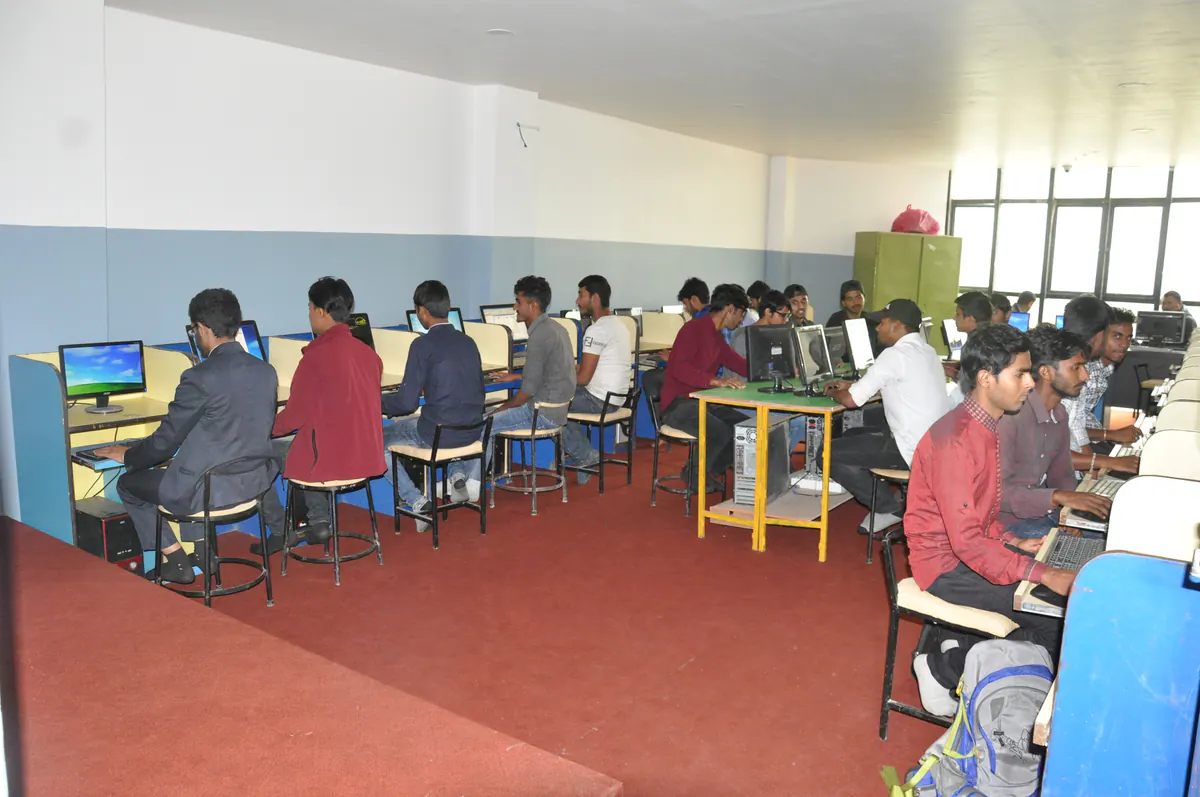
Make logic executable
Programming begins the conversation, but algorithms and data structures teach you to reason about efficiency, failure cases and scale. Lab work develops the habit of testing what a program actually does instead of trusting what you intended.

02
See below the interface
Digital logic, electronics, microprocessors and computer architecture reveal how instructions become signals and state. That foundation changes how you think about performance, embedded systems and the boundary between physical and virtual systems.
03
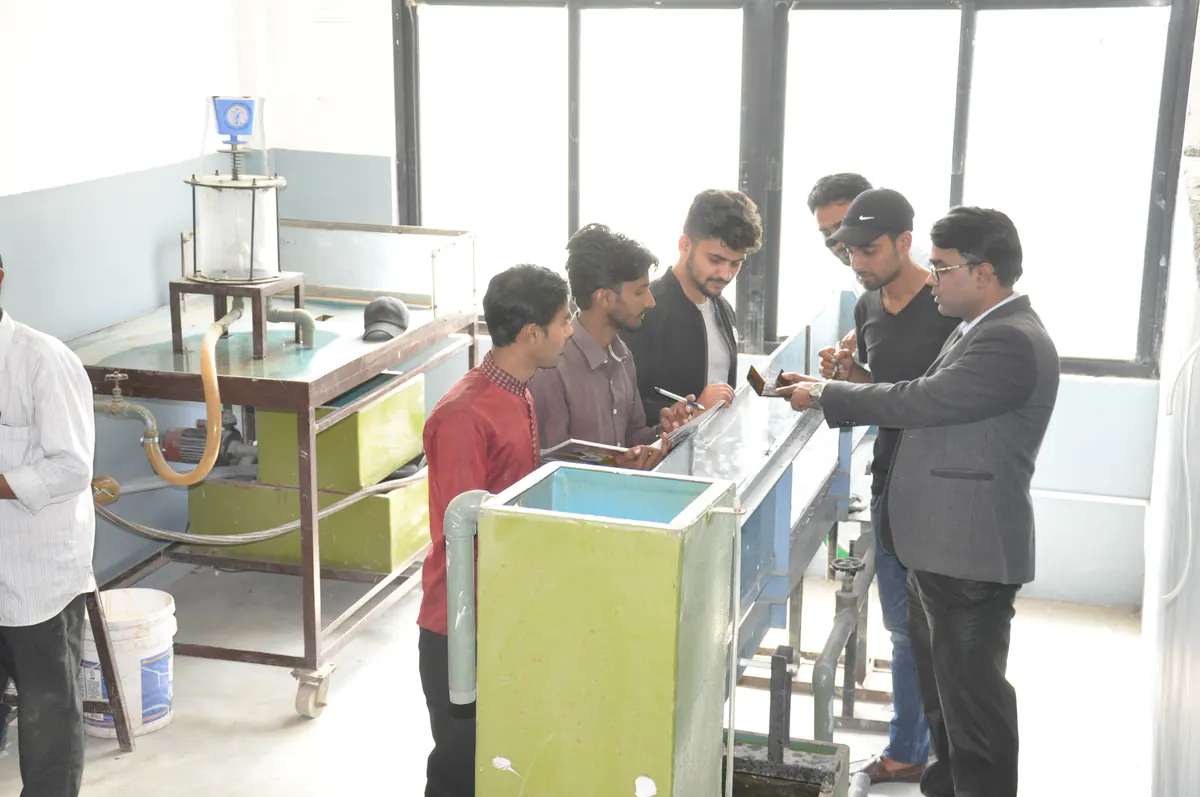
Connect complete systems
Later years combine operating systems, databases, security, AI, distributed systems and project management. Minor and major projects ask you to define a problem, choose trade-offs and deliver something another person can evaluate.
03 · Curriculum
The sequence builds from engineering and programming foundations toward system software, networks, intelligent systems and a two-stage final project.
Learn the mathematics, science, drawing, programming and electronics shared by the discipline.
Study how information is represented, processed and controlled across software and hardware.
Bring architecture, communication, operating systems, databases and software practice together.
Work across connected systems, graphics, security and professional project delivery.
Indicative curriculum only. Tribhuvan University and the Institute of Engineering are authoritative for the official syllabus and revisions.
04 · Practice
Projects and labs let you demonstrate more than a screenshot. You should be able to explain the architecture, reproduce a result, diagnose failure, document decisions and show how your system behaves under realistic use.

05 · Direction
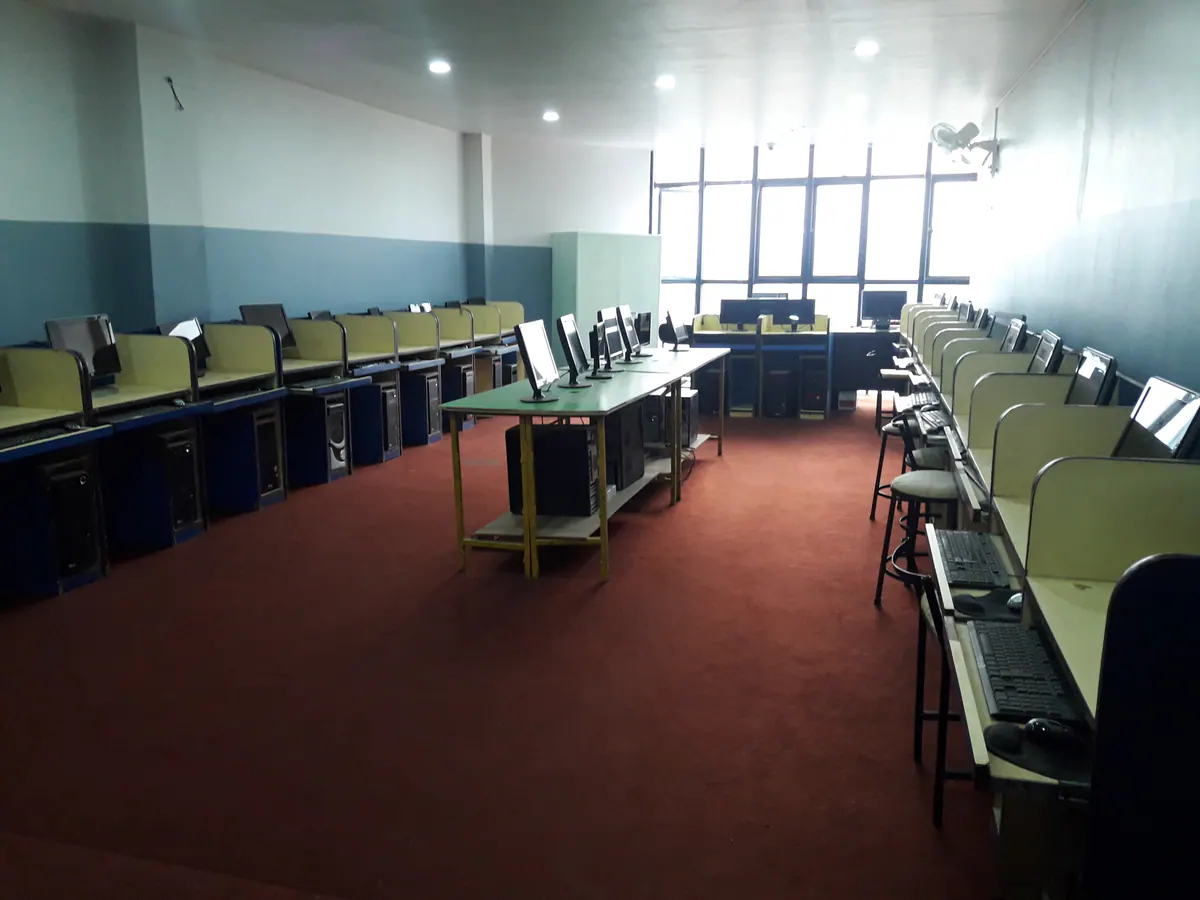
Computer engineers can move toward software, infrastructure, data, security, embedded work or graduate study. Employers will look beyond the degree title to projects, fundamentals, communication and evidence that you can learn unfamiliar systems.
06 · Admissions
Admissions should help you verify fit, eligibility and cost before asking you to commit.
Share your qualification and IOE status for a direct eligibility answer.
Request the dated fee sheet, payment schedule and scholarship terms.
Arrange a visit and bring the questions that matter to your family.
Formal admission follows the published IOE process and result.
07 · Questions
No. Programming is introduced as part of the degree. Prior practice can help, but mathematical readiness, curiosity and willingness to debug patiently are stronger predictors of a good start.
It is an indicative year-by-year guide based on the current IOE structure. Tribhuvan University and the Institute of Engineering remain the authority for the official syllabus, subject codes and any revisions.
Request the dated fee sheet from the admissions team. They will explain the current intake, payment schedule, scholarship conditions and any university charges before you make a decision.
Yes. Ask admissions to arrange a campus visit so you can see relevant learning spaces, discuss eligibility and bring a parent or guardian if you prefer.
ICE advertises merit scholarships ranging from 50% to 100%. Availability and continuation conditions depend on the intake, results and published college policy, so confirm the terms in writing with admissions.